คำค้นยอดฮิต: ข้าวเหนียวมะม่วง ของขวัญออแกนิค ผลไม้สด
TH | EN
฿ 0.00
Banrao Durian Orchard
Sub district Krasae Bon District Klaeng Province Rayong
Image
Image
Image
Image
Weather
Closed
Business hours
• Sunday
: 09:00 - 16:00
• Monday
: 09:00 - 16:00
• Tuesday
: 09:00 - 16:00
• Wednesday
: 09:00 - 16:00
• Thursday
: 09:00 - 16:00
• Friday
: 09:00 - 16:00
• Saturday
: 09:00 - 16:00
Note
: -
Review Score
0
Availability
0
Value
0
Service
0
Read more >
Information
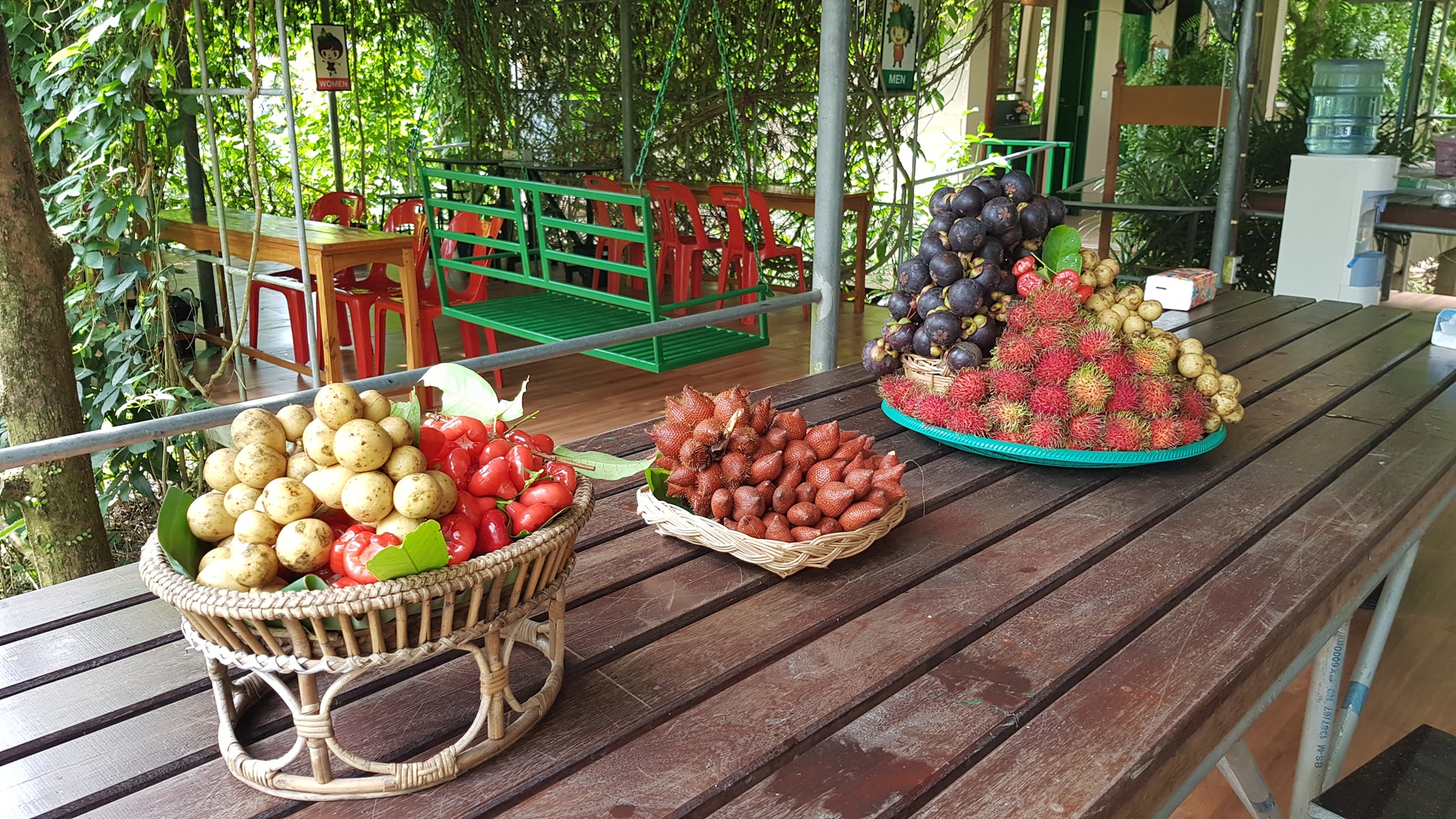
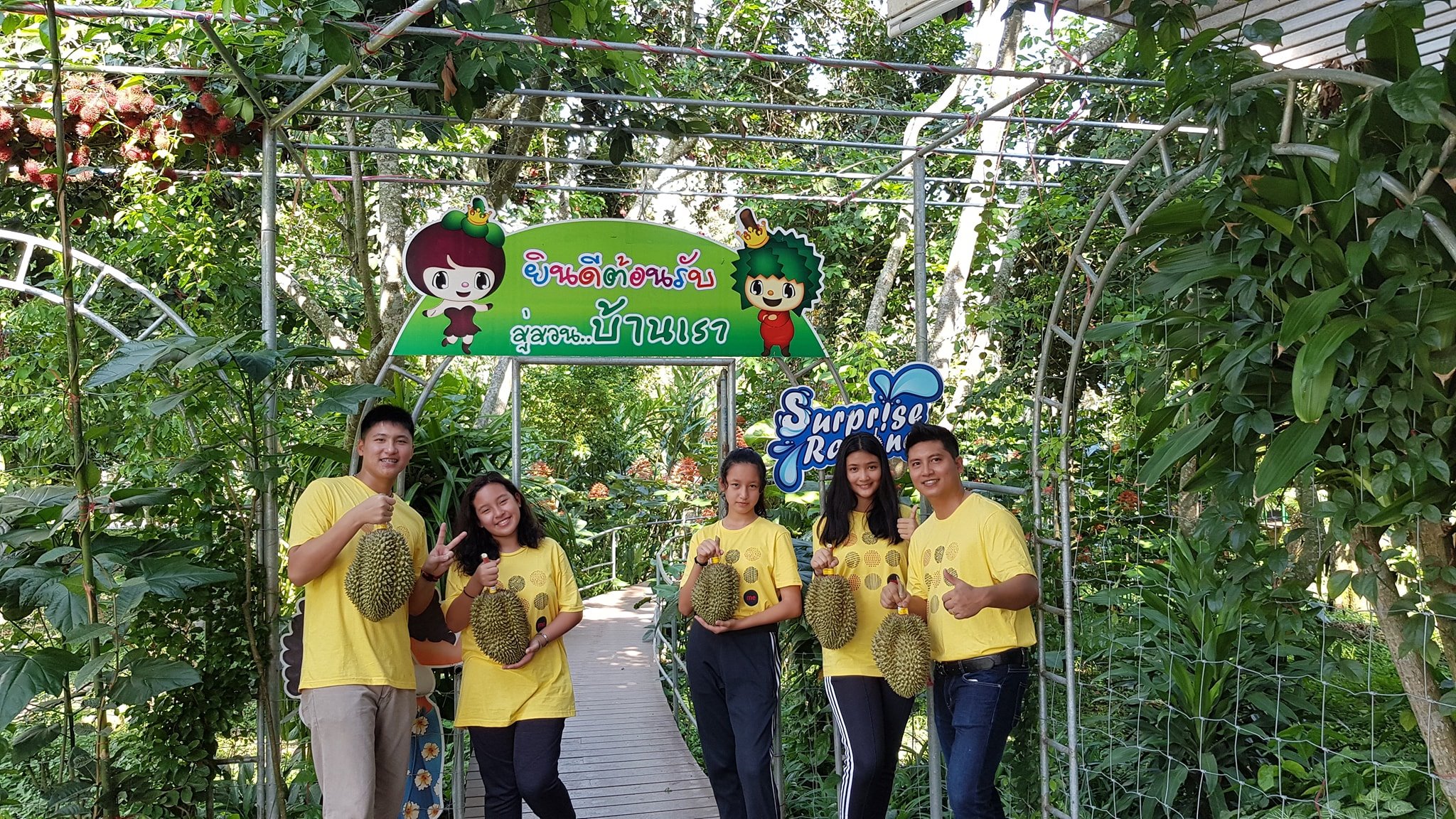
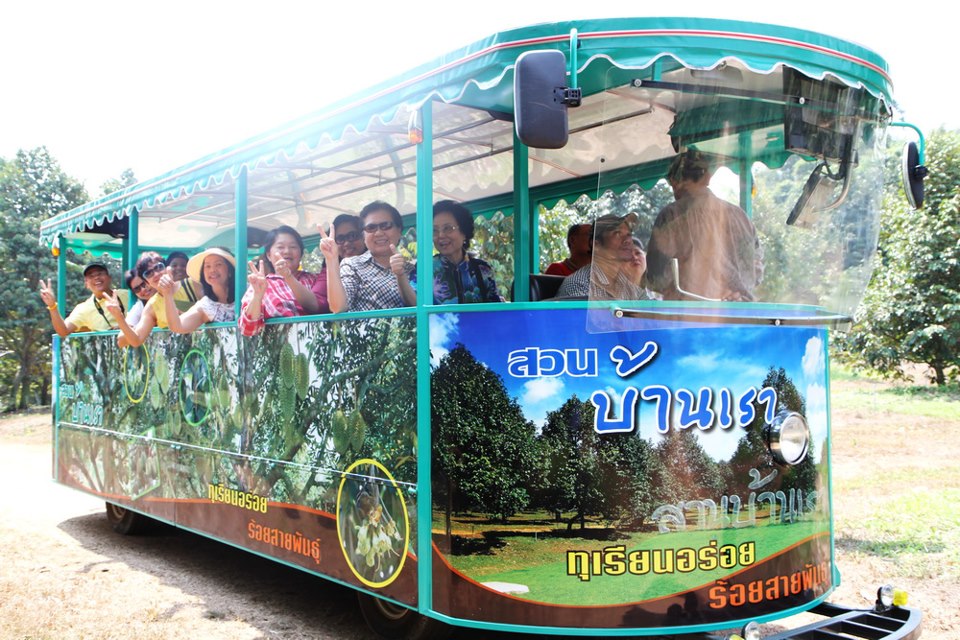
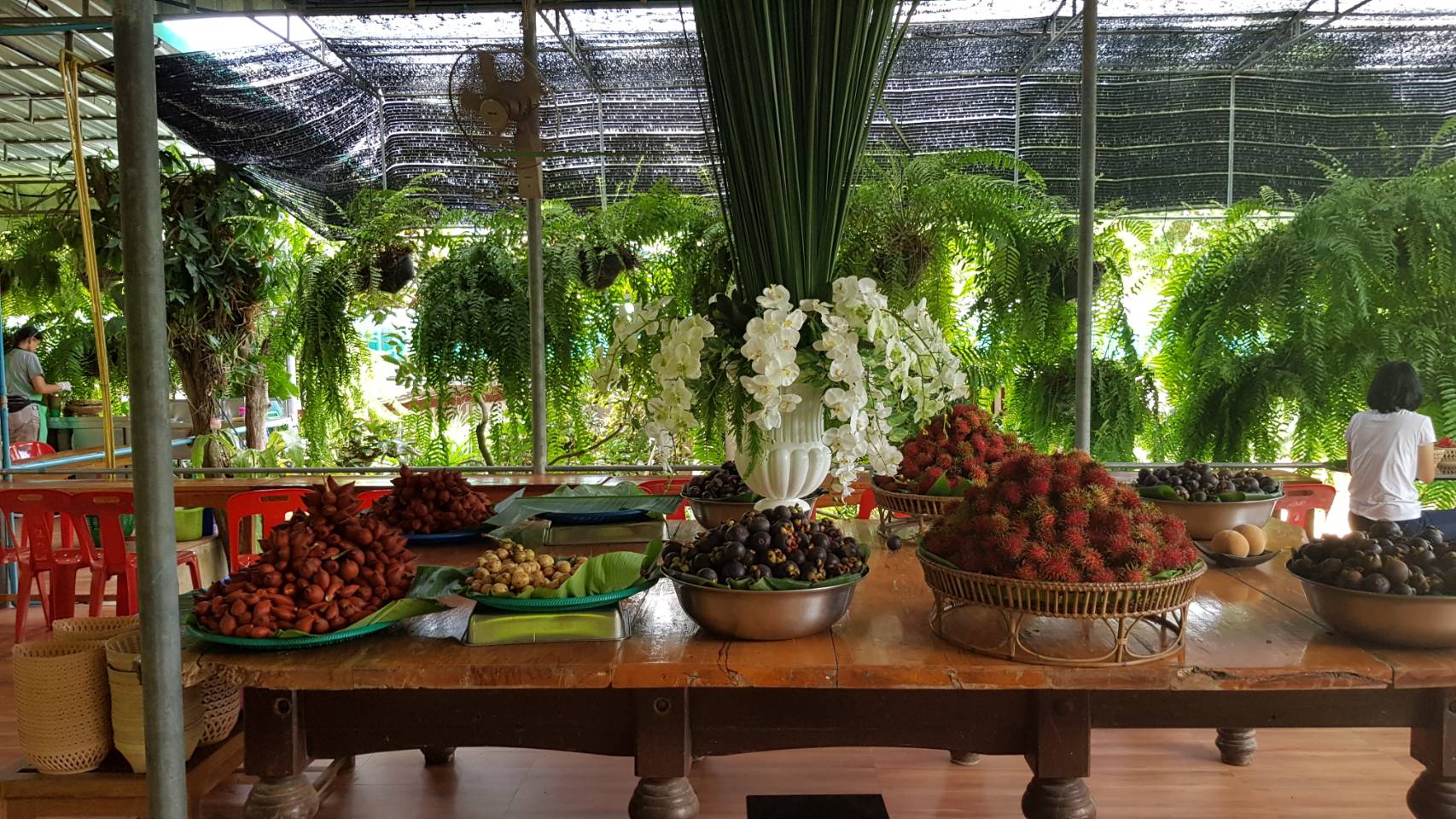
"Banrao Durian Orchard" has various durian species to taste and feel a real texture of rare durians, which only a few people could experience this taste. This orchard is a place that growing varieties of durian with the best quality to be worthy of being a high-class fruit that has been known as "King of Fruits"
Source
Thailand Tourism Directory
Recommended
Entrance fees
• Entrance fees: Non-fee
• Remark : -
Review (0)
0
จาก 5.0
Availability
Value
Service
Relate Agritourism
Experience the local wisdom of the people in the community, and learn about Sufficiency Economy Philosophy.
Ubon Ratchathani
Phon Had Village is a sufficiency economy village, an organic vegetables source, organic rice, delicious insects, listening to vegetable lullabies as a source of fanaticism. The only place in Roi Et according to the Philosophy of Sufficient Economy. The village is famous for its delicious insects, excellent craftsmanship. Familiar with pesticide-free vegetables Muan I Lee Bun Bang Fai Tradition, worshipping the great god, the legend of Phraya Had Phraya Thon
Roi Et
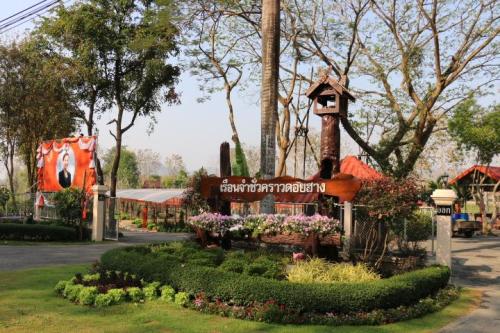
King Bhumibol Adulyadej (King Rama IX) foresaw the significance of plant genetic conservation prior to a recognition of the terms “Biological Diversity” and “Conservation” in Thailand. During the trip to Klai Kang Won Palace, A. Hua Hin, Prachuap Khiri Khan Province in 1960, he passed through A. Tha Yang, Phetchaburi Province and noticed many Yang Na trees (Dipterocarpus alatus). Therefore, he had royal words to collect the seeds to plant at Phra Tamnak Piam Suk, Klai Kang Won Palace, and grow the seedlings at Royal Chitralada Projects to study. In 1985, King Rama IX gave a royal word to conserve jackfruit tress around the Grand Palace and initiated the plant conservation project in the palaces by tissue culture. Later in 1986, he had the royal idea to conserve and breed rattan palms and arrange the herbal garden in Royal Chitralada Projects area. Her Royal Highness Princess Maha Chari Sirindhorn carried on the plant conservation project by having the royal idea and asked Lord Chamberlain to carry out plant conservation project in June 1992, when the seed gene bank was formed, and study the preservation of non-industrial crops under the royal thought framework. In 1993, Mr. Sujin Phunikom, the Assistant Subdistrict Headman of Salui and Tha Sae District, Chumporn Province, and his group, cooperated with the Director of Ultra Products Co., Ltd. and the agriculturists in Chumporn Province to establish plant conservation project at the public area located at Moo.6, Salui District (presently Moo. 5 and 6, Salui District, and Moo.4 and 7, Song Phi Nong District). At the same time, the Royal Chitralada Projects was looking for the area to set up the Plant Genetic Conservation Project Under The Royal Initiative of Her Royal Highness Princess Maha Chari Sirindhorn. Subsequently, Royal Chitralada Projects represented by Professor Prachid Wamanont (the Consultant) and the team met with Chumporn Governor (Mr. Prayoon Promphan) to discuss about the project. The first five years, the project was named “Plant Conservation and Development Project Under The Royal Initiative of Her Royal Highness Princess Maha Chari Sirindhorn, Chumporn Province”. Chumporn Provincial Agricultural Extension proposed the project for the approval from Chumporn Governor and submit the project documents to the Director of Royal Chitralada Projects to respectfully inform to Her Royal Highness Princess Maha Chari Sirindhorn on 26 April 1993. Moreover, Plant Conservation and Development Project was integrated with the royal plant genetic conservation project, which Dr. Pisit Wora-urai was a Chairman. The executives meeting on 9 July 1997 had the resolution to change the project’s name from “Plant Conservation and Development Project Under The Royal Initiative of Her Royal Highness Princess Maha Chari Sirindhorn, Chumporn Province” to “Plant Genetic Conservation Project Under The Royal Initiative of Her Royal Highness Princess Maha Chari Sirindhorn”
Chumphon
90 Market is the flea market selling varieties of agricultural products, which are surplus and processed for sale. The market receives the budget from 9101 Follow the King’s Lead Project for Sustainable Agriculture Development. The market opens every day, only the front zone that opens on Sunday only. Apart from agricultural products, events are organizing, and the government and the private sector also participated during the festival season. 90 Market won the1st Award at the district level in 9101 Follow the King’s Lead Project for Sustainable Agriculture Development.
Chumphon
Fruit buffet, making local rice crackers, weaving Khla mat, Lam Tud Dek
Rayong
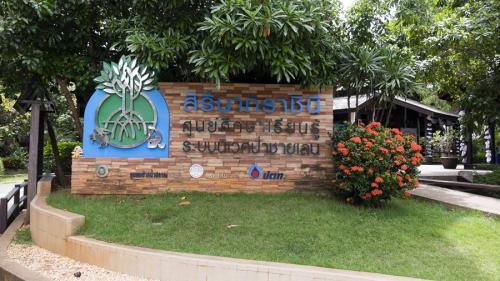
Sirinat Rachinee Mangrove Ecosystem Learning Center is the first mangrove rehabilitation center from abandoned shrimp farms in Thailand. Originally, it was a shrimp farm located in the Pa Khlong Kao National Forest Reserve - Khlong Khoi, Pak Nam Pran Sub-district. Pranburi District Prachuap Khiri Khan. When the King Rama 9 and the Queen came to Pranburi, The Royal Forest Department responded by canceling the shrimp farming concession and then included as part of the Pak Nam Pranburi Forest Development Project. They accelerated the restoration of mangrove forests and designate them as target areas for reforestation and later develop into a mangrove ecosystem learning center.
Prachuap Khiri Khan
The learning center following the footsteps of the Luang Pho Luang is located in Moo 3, Sappaya Sub-district (Huai Krot-Sappaya Road), the Sufficiency Economy Learning Center.
Chai Nat
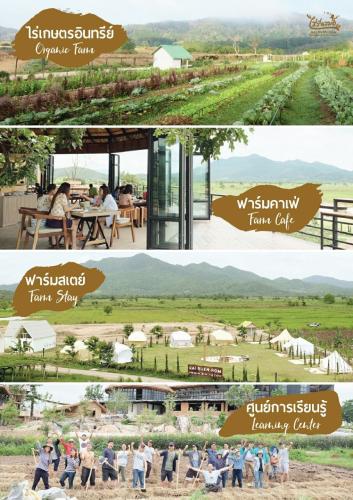
The organic agricultural tourism attractions include accommodation, activities, learning courses on agriculture and food as medicine.
Chiang Rai
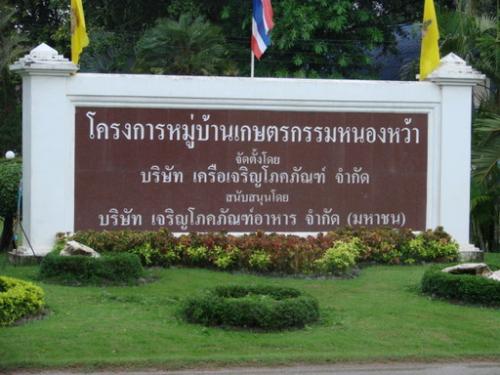
From over 1.6 square kilometer of useless wasteland to a strong farmer community today, “Nong Wa Agricultural Village”, Phanom Sarakham District, Chachoengsao Province uses the “3 Benefit 4 Collaboration” model to enable farmers to access land and funding sources. They revived the dry land to become a green agricultural area, and farmers have a stable career.
Chachoengsao
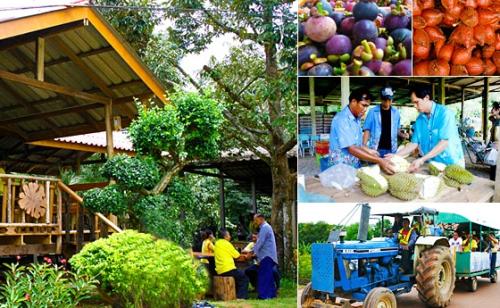
Enjoyable with the fullest tour of fruits buffet tasting such as durian, rambutan, mangosteen, longkong, on an area of ​​41,600 square meters. Watch a demonstration of durian harvesting and selling processed fruits.
Rayong
It is a beautiful, shady fruit garden. The uniqueness of the taste of fruit, whether it is durian, rambutan, mangosteen and longkong, is why the owner of the garden has emphasized that this place has quality fruits. Its quality is at the GAP level by adopting a good quality farming system into production. The GAP system itself helps to increase the quality of productivity and safe for consumers, including the farmers themselves. Because the GAP system controls the use of chemicals to a level that is safe for consumers. Therefore, consumers or tourists can rest assured that they are safe and secure.
Rayong
Doi Hang Temporary Prison under the Chiang Rai Central Prison Implementation of the Royal Initiative Project god nephew Prince Patcharakitiyapha in adopting the Sufficiency Economy Philosophy in prisons so that inmates can adopt the Sufficiency Economy Philosophy of His Majesty the King to actually use after the penalty. It is an encouragement for the inmates and also gives the inmates the opportunity to return to society with skills that can lead a self-reliant life without turning back to commit another crime. It is a learning center for sufficiency economy. Open for systematic visits and visits and is an important check-in point for tourists and the general public who come to use the service.
Chiang Rai