คำค้นยอดฮิต: ข้าวเหนียวมะม่วง ของขวัญออแกนิค ผลไม้สด
TH | EN
฿ 0.00
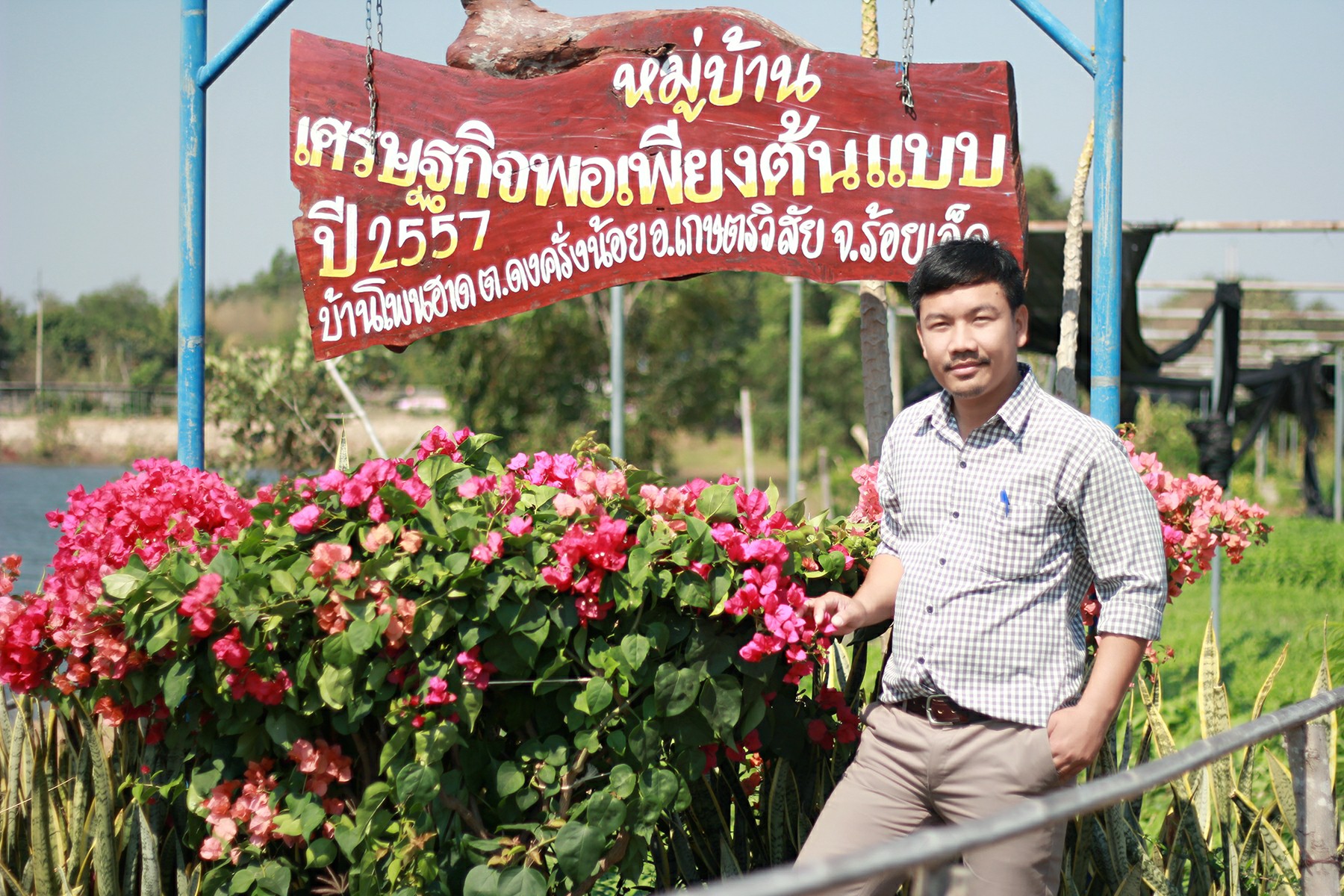
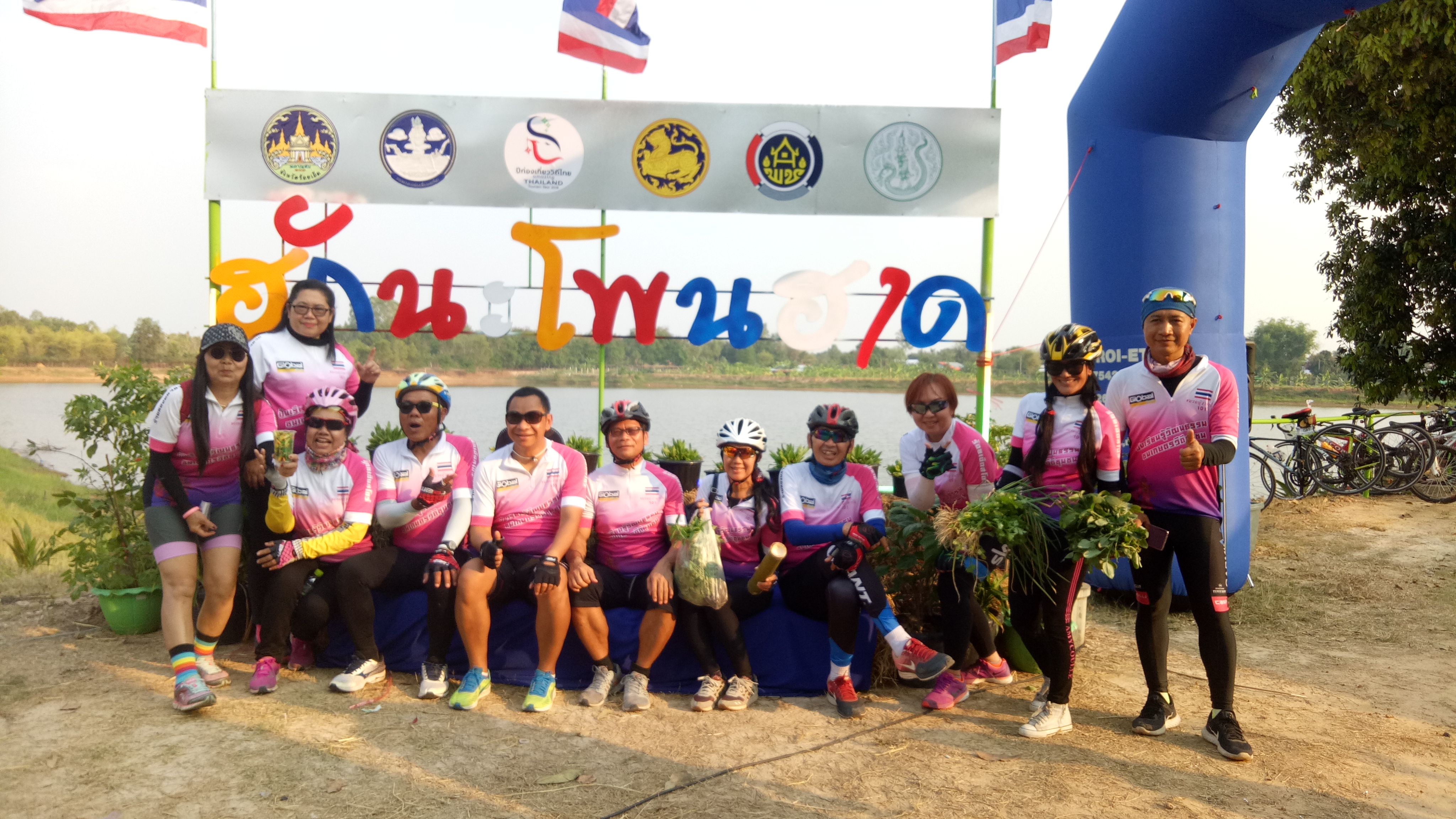
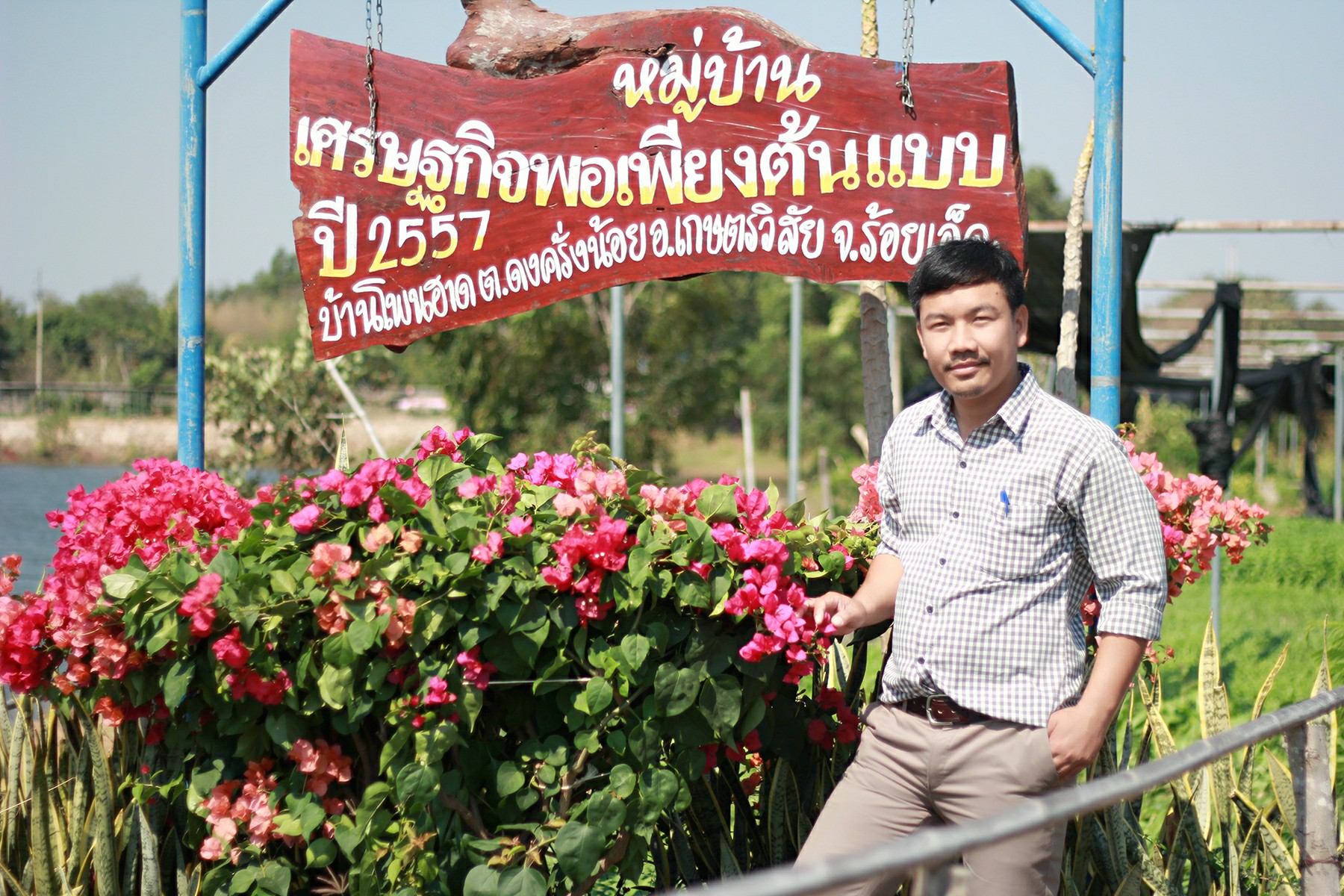
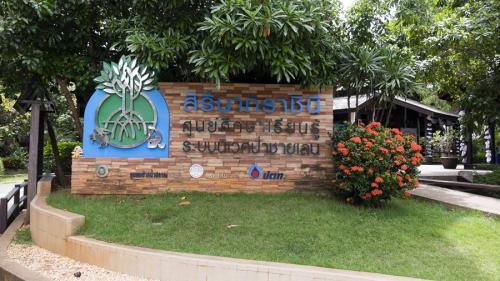
Sufficiency Economy Village, Ban Phon Had
Sub district Dong Khrang Noi District Kaset Wisai Province Roi Et
Image
Image
Image
Image
Weather
Closed
Business hours
• Sunday
: 09:00 - 16:00
• Monday
: 09:00 - 16:00
• Tuesday
: 09:00 - 16:00
• Wednesday
: 09:00 - 16:00
• Thursday
: 09:00 - 16:00
• Friday
: 09:00 - 16:00
• Saturday
: 09:00 - 16:00
Note
: -
Review Score
0
Availability
0
Value
0
Service
0
Read more >
Information
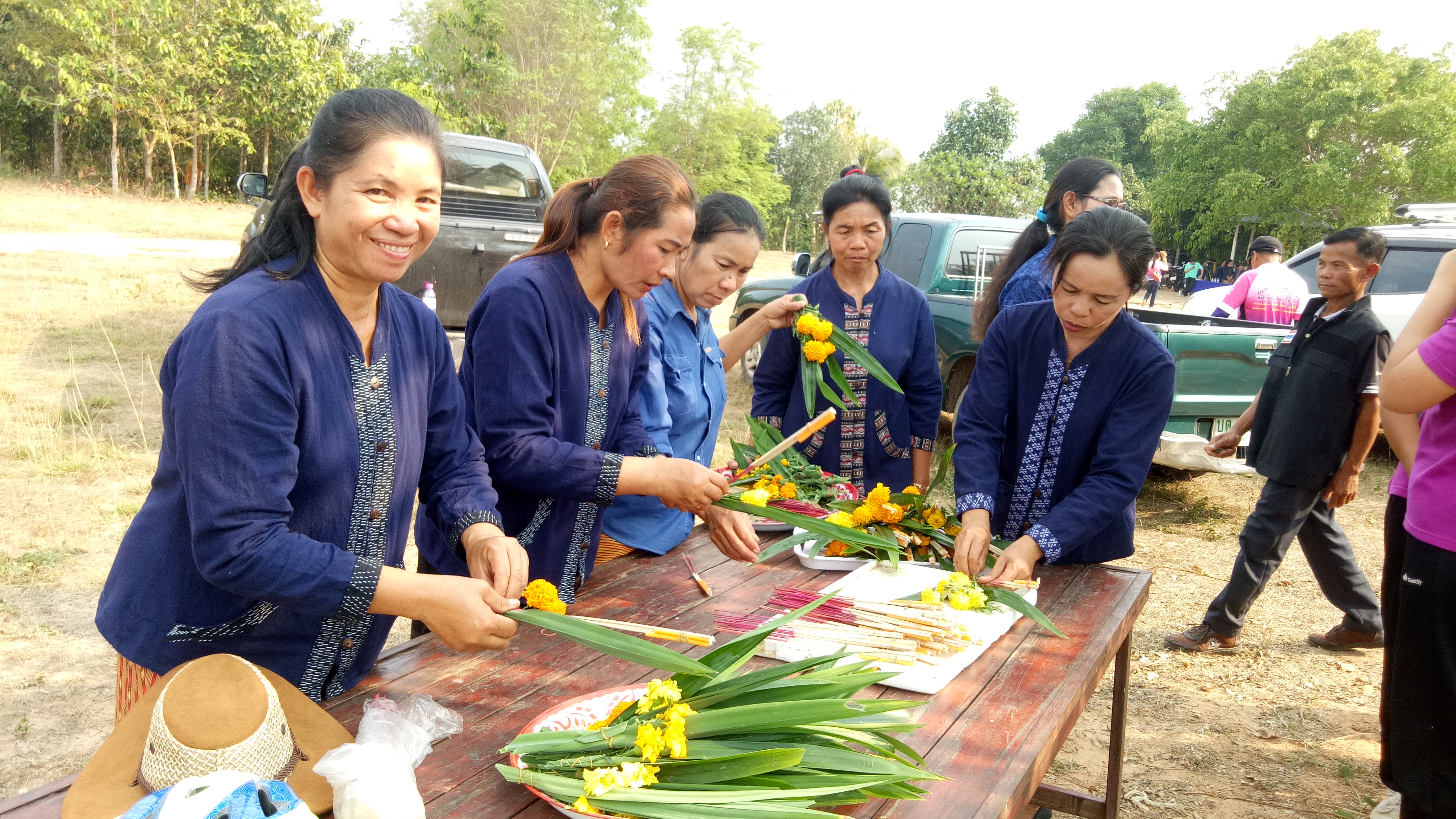
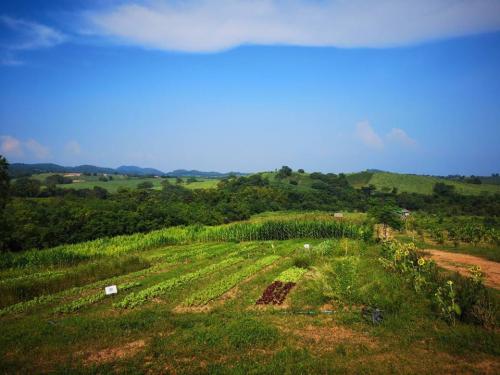
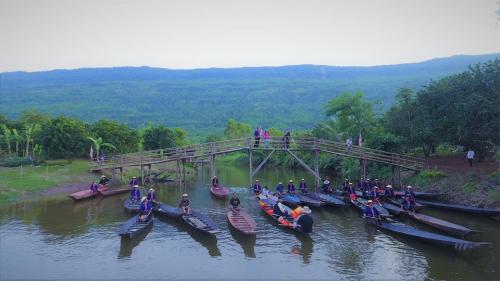
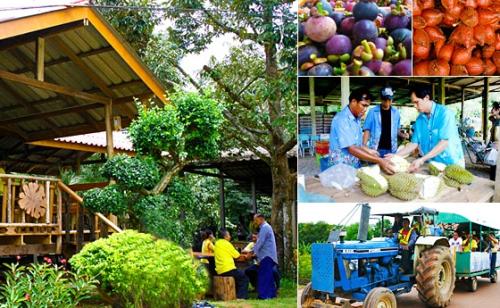
Phon Had Village is a sufficiency economy village, an organic vegetables source, organic rice, delicious insects, listening to vegetable lullabies as a source of fanaticism. The only place in Roi Et according to the Philosophy of Sufficient Economy. The village is famous for its delicious insects, excellent craftsmanship. Familiar with pesticide-free vegetables Muan I Lee Bun Bang Fai Tradition, worshipping the great god, the legend of Phraya Had Phraya Thon
Source
Thailand Tourism Directory
Recommended
Entrance fees
• Entrance fees: Non-fee
• Remark : -
Review (0)
0
จาก 5.0
Availability
Value
Service
Relate Agritourism
King Bhumibol Adulyadej (King Rama IX) foresaw the significance of plant genetic conservation prior to a recognition of the terms “Biological Diversity” and “Conservation” in Thailand. During the trip to Klai Kang Won Palace, A. Hua Hin, Prachuap Khiri Khan Province in 1960, he passed through A. Tha Yang, Phetchaburi Province and noticed many Yang Na trees (Dipterocarpus alatus). Therefore, he had royal words to collect the seeds to plant at Phra Tamnak Piam Suk, Klai Kang Won Palace, and grow the seedlings at Royal Chitralada Projects to study. In 1985, King Rama IX gave a royal word to conserve jackfruit tress around the Grand Palace and initiated the plant conservation project in the palaces by tissue culture. Later in 1986, he had the royal idea to conserve and breed rattan palms and arrange the herbal garden in Royal Chitralada Projects area. Her Royal Highness Princess Maha Chari Sirindhorn carried on the plant conservation project by having the royal idea and asked Lord Chamberlain to carry out plant conservation project in June 1992, when the seed gene bank was formed, and study the preservation of non-industrial crops under the royal thought framework. In 1993, Mr. Sujin Phunikom, the Assistant Subdistrict Headman of Salui and Tha Sae District, Chumporn Province, and his group, cooperated with the Director of Ultra Products Co., Ltd. and the agriculturists in Chumporn Province to establish plant conservation project at the public area located at Moo.6, Salui District (presently Moo. 5 and 6, Salui District, and Moo.4 and 7, Song Phi Nong District). At the same time, the Royal Chitralada Projects was looking for the area to set up the Plant Genetic Conservation Project Under The Royal Initiative of Her Royal Highness Princess Maha Chari Sirindhorn. Subsequently, Royal Chitralada Projects represented by Professor Prachid Wamanont (the Consultant) and the team met with Chumporn Governor (Mr. Prayoon Promphan) to discuss about the project. The first five years, the project was named “Plant Conservation and Development Project Under The Royal Initiative of Her Royal Highness Princess Maha Chari Sirindhorn, Chumporn Province”. Chumporn Provincial Agricultural Extension proposed the project for the approval from Chumporn Governor and submit the project documents to the Director of Royal Chitralada Projects to respectfully inform to Her Royal Highness Princess Maha Chari Sirindhorn on 26 April 1993. Moreover, Plant Conservation and Development Project was integrated with the royal plant genetic conservation project, which Dr. Pisit Wora-urai was a Chairman. The executives meeting on 9 July 1997 had the resolution to change the project’s name from “Plant Conservation and Development Project Under The Royal Initiative of Her Royal Highness Princess Maha Chari Sirindhorn, Chumporn Province” to “Plant Genetic Conservation Project Under The Royal Initiative of Her Royal Highness Princess Maha Chari Sirindhorn”
Chumphon
Rice terraces, Pid Thong Lang Phra Project is located in Chaloem Phrakiat District. It is a project under the royal initiative. Nan province is a pilot province to carry on the royal initiatives of His Majesty the King. Her Majesty Her Majesty the Queen The project's approach is to start with reducing the use of forest areas. Seeking new methods of growing rice by adopting terraced farming methods on mountain areas instead of paddy rice in order to solve poverty problems sustainably By focusing on the villagers to think for themselves But the government will go in to educate and find a suitable model for solving the problem of coexistence between people and forests in Thailand. upstream forest area Projects here are not only digging terraced rice fields, but also constructing water storage ponds, weirs, and soybean planting. including animal husbandry
Nan
The Ministry of Agriculture and Cooperatives established the Golden Jubilee Museum of Agriculture on the occasion of His Majesty King Bhumibol Adulyadej's 50-year to the throne in 1996. On the area of 800,000 square meters in Klong Nueng Subdistrict, Klong Luang District, Pathumthani Province.
Pathum Thani
Little House in the Big Wood is a learning center of sufficiency economy philosophy. It was established by the new generation of agriculturists who would like to inherit sufficient agriculture. By applying a house and garden as the learning center for visitors.
Chumphon
Mr.Luesak, the owner of Kradae Chae Monkey Training Center, has learned how to train monkeys from his father. Every morning he usually leads monkeys to coconut grove to teach them to climbing coconut trees, to select ripe coconuts and pick off coconuts. Besides, you can also stay overnight at Mr. Luesak with reasonable price. In addition, Kradae Chae Monkey Training Center brought male monkey to teach how to collect coconuts which monkeys can collect around 500-1000 coconuts per day.
Surat Thani
Learning center for organic farming Conservation of Thai horses, hippo therapy (for autistic children), visit the garden, eat fresh fruit from the organic farming orchards
Chanthaburi
It is a shrimp pond of the Cho Ko village. Tourists can visit to see how to catch shrimp and can eat freshly from the pond.
Roi Et
"...Taste the tea......Chiangda vegetable tea produced in the center. ...see the garden...see the plots to learn about agriculture Flowering plants - ornamental plants, fruit trees - perennial plants, sufficiency economy, vegetable and herb plants, economic insects, check dams, rare plant collection plots, natural check-in points, nature walks, watershed viewing, viewing Local birds...etc. ...invite to shop...agricultural products of the Farmer Network group at the sales point in front of the center. Tourism program : 1 day trip inside the center 2 days 1 night trip..with other nearby attractions Route links to other attractions: '- Ban Tai Lue, Ban Luang Tai Distance before reaching the center 7 km. - Sri Mung Muang Temple Distance before reaching the center 7 km. - Wat Phra That Doi Saket Distance before reaching the center 7 km. - Nong Bua Phra Chao Luang Distance before reaching the center 5 km. Suspension bridge Mae Kuang Udom Thara Distance before reaching the center 10 km. - Doi Saket Hot Spring Distance from the center 9 km. - Huai Hong Krai Royal Development Study Center The distance from the center is about 4 km. - Royal Initiative Project, Agricultural Learning Center, Demonstration Field, 85 Rai The distance from the center is about 7 km."
Chiang Mai
The learning center following the footsteps of the Luang Pho Luang is located in Moo 3, Sappaya Sub-district (Huai Krot-Sappaya Road), the Sufficiency Economy Learning Center.
Chai Nat
It is an agricultural tourist attraction. Learning resource for reducing high production costs from the use of chemical fertilizers. Deteriorate health cause disease to human life, therefore change the concept of improving the quality of production and reduce production costs through integrated pest prevention.
Chai Nat
1 agricultural learning ground of Ban Na Nam Sam, 10 grounds as follow: 1) Learning ground for the production of bio-based substances (Trichoderma, Beauveria, BT, wild microorganisms, nematodes) 2) Charcoal/Wood Vinegar Distillation Learning Ground 3) Local egg raising ground 4) Mushroom cultivation ground 5) Organic Asparagus Planting ground 6) Freshwater fish farming ground 7) The composting ground 8) Herbal Refinery Ground 2 Study natural attractions 1) Pha Nam Thip Cave Sacred water from nature 2) Bat Cave, discover the natural wonders of millions of bats. 3) Chompoo Cave 4) Wat Khao Sam Yot 5) Tad Fa Waterfall 6) Tad Tao water 7) Phu Ta Lor Cave 8) Dong Sakran Viewpoint 9) Dong Lan Forest Development Project 3 agricultural learning resources 1) Growing Asparagus 2) Planting and propagating guava 3) Longan orchard generates income 4) Mushroom cultivation for additional income tourism program 2 days 1 night program Learn about agriculture at 1-2 ground center > have lunch > visit Pha Nam Thip Cave > watch bats > have dinner > relax at homestay / Phu Pha Man Camp > Asparagus plot > Golden banana plantation > Khao Temple Sam Yot > have lunch > go back Note – Tour programs and service fees may change as appropriate. - 3 snacks 1 day program Learn about agriculture at center 1-2 bases > have lunch > visit Pha Nam Thip Cave > watch bats > go back Note – Tour programs and service fees may change as appropriate. - 2 snacks Route links with other attractions (with distance/km) 1) Pha Nam Thip Cave Sacred water source from nature, a distance of 3 km. 2) Bat Cave, a distance of 6 km. 3) Chompoo Cave, a distance of 4 km. 4) Wat Khao Sam Yot, a distance of 6 km. 5) Tad Fa Waterfall, a distance of 18 km. 6) Nam Phut Tat Tao, a distance of 12 km. 7) Phu Ta Lor Cave, a distance of 16 km. 8) Dong Sakran Viewpoint, a distance of 18 km. 9) Dong Lan Forest Development Project, a distance of 22 km. Community enterprise products in the community 1 Ban Son Tai Community Shop, Village No. 3, Ban Son Tai, Non Kom Subdistrict, selling Phu Pha Man folk clothes 2 Ban Non Kom Community Shops, Village No. 1, Ban Non Kom, Non Kom Subdistrict, selling local products and souvenirs.
Khon Kaen